
Concrete Slabs & Flatwork
Exceptional concrete services provided to you by Blaine Concrete Company!
763-312-2652

Concrete Slab Installation in Blaine, MN
Welcome to Blaine Concrete Company. We specialize in professional concrete slabs & flatwork! Concrete slabs and flatwork form the foundation of many residential and commercial structures. These surfaces provide the stable, level platforms that support garages, storage buildings, patios, driveways, equipment pads, and many other structures. While flat concrete surfaces may appear simple, the process of installing them properly requires careful planning, accurate grading, and experienced finishing techniques to ensure the slab performs well for many years. Contact us today for a FREE ESTIMATE on your next concrete project!
Free Estimate Now!
Contact Us
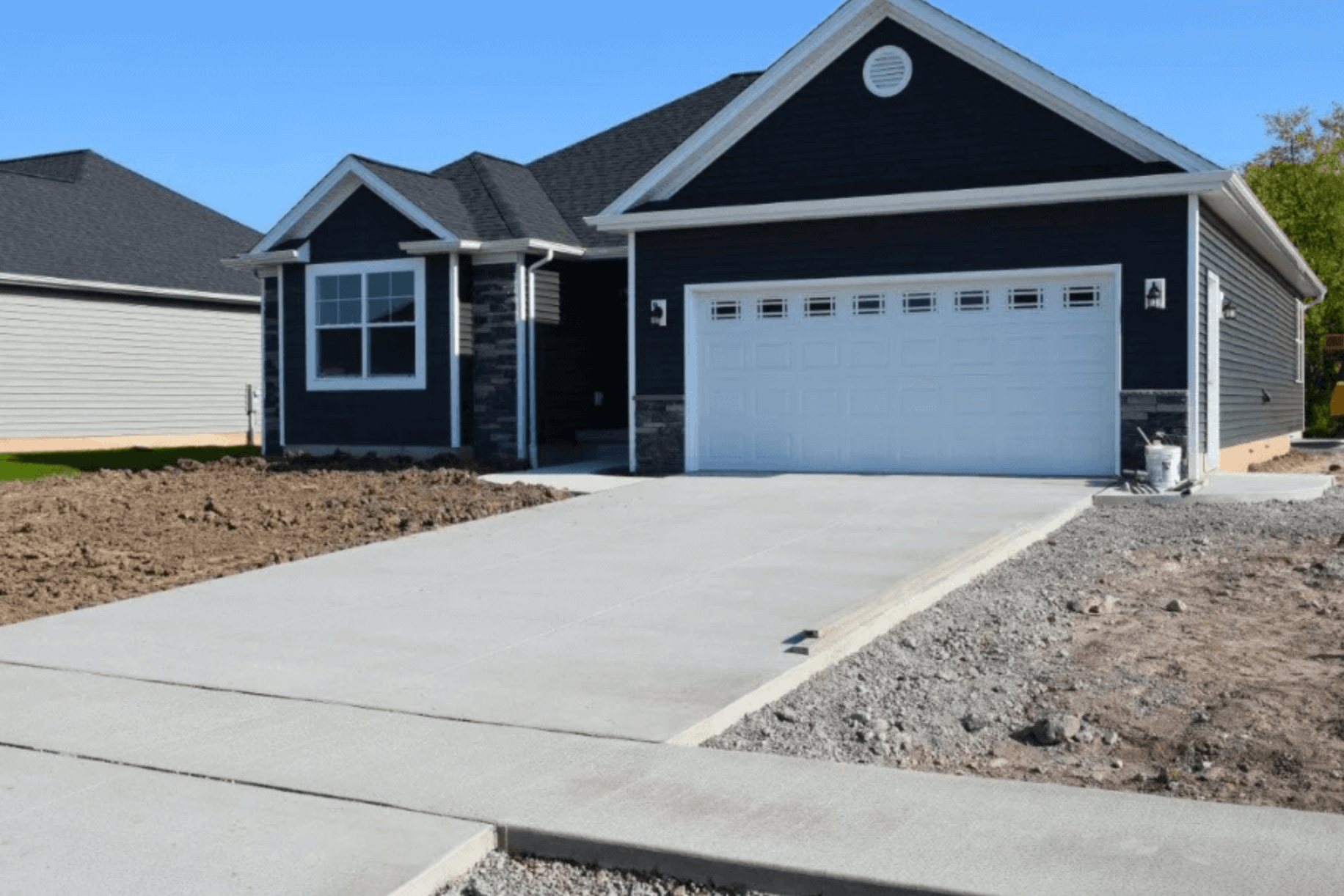
Flatwork Concrete Contractor
Flatwork refers to any horizontal concrete surface that is poured and finished across a prepared area. This includes slabs for garages, sheds, outdoor patios, walkways, driveways, and building pads. In commercial settings, flatwork may include warehouse floors, loading pads, dumpster pads, and large equipment foundations. Because these surfaces support weight and experience daily use, proper construction is essential to prevent issues such as cracking, settling, or uneven surfaces.
Every concrete flatwork project begins with a detailed site evaluation. Before any concrete is poured, the area must be inspected to determine the soil condition, drainage requirements, and load demands the slab will need to handle. These factors influence how the base is prepared and how thick the finished slab should be. For example, a slab designed for a storage shed may require a different thickness and reinforcement than a slab intended to support vehicles in a garage.
After planning and measurements are completed, the first stage of construction is site preparation. The existing soil is excavated to the appropriate depth to allow room for a compacted base and the concrete slab itself. Removing unstable soil and preparing a level surface is critical to the long term stability of the slab. If this step is rushed or skipped, the concrete may shift or crack once it begins to carry weight.
Once the area is excavated, a gravel or crushed stone base is installed and compacted. This base layer provides structural support and helps distribute the weight placed on the slab. It also improves drainage beneath the concrete, reducing the risk of water accumulation that can lead to soil movement. Compaction equipment is used to ensure the base is firm and evenly distributed across the entire surface.
After the base is prepared, wooden or metal forms are installed to define the shape and boundaries of the slab. These forms ensure that the concrete maintains the correct thickness and dimensions during the pour. Reinforcement materials such as steel rebar or wire mesh are then placed inside the forms. Reinforcement strengthens the slab and helps control cracking that can occur as the concrete expands and contracts with temperature changes.
When the preparation phase is complete, the concrete is poured into the forms and spread evenly throughout the area. Professional crews use specialized tools to level the surface and ensure the concrete reaches the correct thickness across the entire slab. This stage requires careful attention because uneven distribution of concrete can create weak points in the finished surface.
Once the concrete is placed and leveled, finishing techniques are used to create the final surface texture. Depending on the intended use of the slab, the surface may be finished smooth or given a light broom texture for traction. Edges are carefully shaped and control joints are cut into the surface. These joints help guide natural movement within the slab, reducing the risk of uncontrolled cracking as the concrete cures.
After finishing is complete, the curing process begins. Concrete gradually strengthens over time as it cures, and this stage is essential for achieving long term durability. While the surface may appear firm within a short period, the concrete continues to gain strength for several weeks. Proper curing methods help ensure the slab reaches its full structural potential.
Concrete slabs and flatwork are used for a wide variety of purposes. Residential properties often require slabs for garages, workshops, backyard patios, and shed foundations. These surfaces must remain stable while supporting vehicles, tools, and outdoor furniture. In commercial environments, flatwork may support heavy equipment, storage systems, and large amounts of foot or vehicle traffic.
A recent project involved installing a concrete slab for a detached garage behind a residential property. The homeowner wanted a durable foundation that could support two vehicles and additional storage space. After excavating the area and installing a compacted gravel base, reinforcement was placed throughout the slab to increase its strength. The concrete was then poured and finished with a smooth surface suitable for vehicle traffic. The completed slab provided a solid, level foundation that allowed construction of the new garage to move forward with confidence.
Properly installed flatwork can last for decades with minimal maintenance. The key to longevity lies in careful preparation, correct concrete placement, and professional finishing. Small details during installation often determine how well a slab performs over time.
Blaine Concrete Company provides concrete slab and flatwork services designed to meet the needs of both residential and commercial properties. Each project is approached with attention to structural requirements, site conditions, and long term durability.
Whether it is a garage floor, equipment pad, building foundation, or backyard patio, a well built
concrete slab provides the dependable base that many structures rely on. With the right preparation and construction methods, concrete flatwork offers strength, stability, and performance that property owners can depend on for many years.
Need immediate estimate? Call Now!